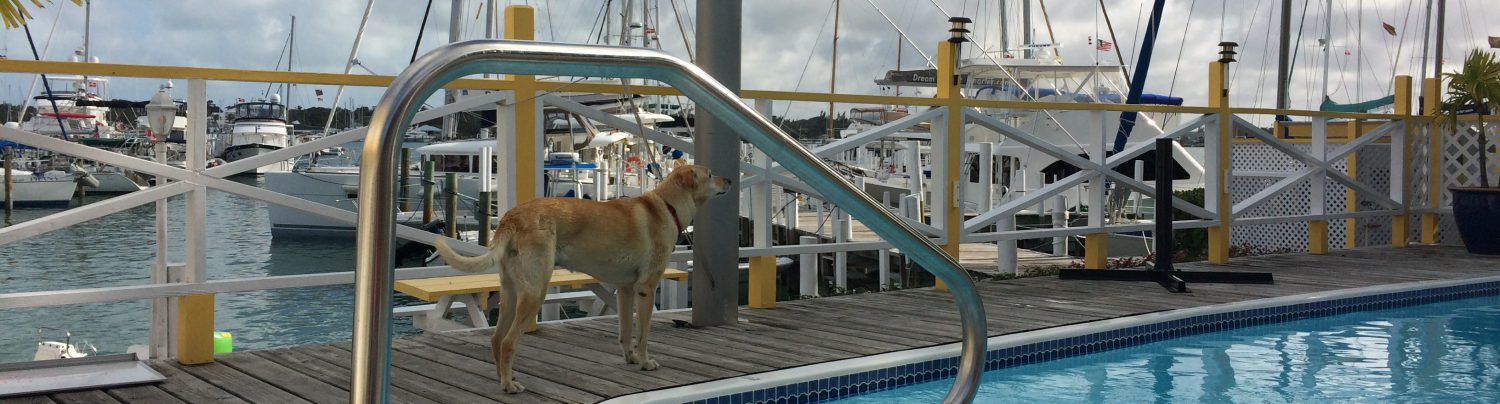
“Wheels up” at 6:30 am leaving Fort Pierce City Marina. We had to navigate through 8 or more bridges where we required an opening ranging from 14 to 26 feet of clearance. Five of the bridges had opening restrictions (on the hour and 1/2 hour, on the 1/4 and 3/4 hour, on the 1/4 hour).
I became very good at figuring our distance, time and necessary speed to the next bridge to coincide with their scheduled openings. The trick is to arrive at a bridge just before its scheduled opening to avoid having to fight to maintain your position in current or wind, with other boats, waiting for the bridge to open. Which in some cases, if you don’t plan ahead, you could be “hovering” for 30 to 60 minutes. I would say to Steve, “Ok, if you go 5 knots to the next bridge we will be there just before the 3/4 hour opening.” Or “You can either go 11 knots or 4 knots to arrive at the next bridge just before an opening.” Haha! Those of you who know about the 48′ Hatters Long Range Cruiser know it doesn’t reach a speed of 11 knots, unless we have a very favorable current! Steve said, “Alrighty then, 4 it is.”
We arrived at the Loggerhead Marina in Lantana, FL at 3:40 pm. We had a visit from a friend of Steve’s, Lauren, and her friend. We all went out to dinner and had great food and fun!
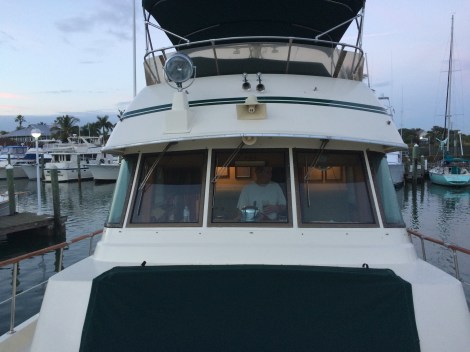
Leaving Fort Pierce City Marina

Fort Pierce City Marina
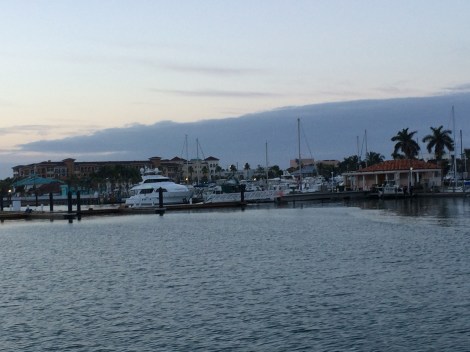
Fort Pierce City Marina
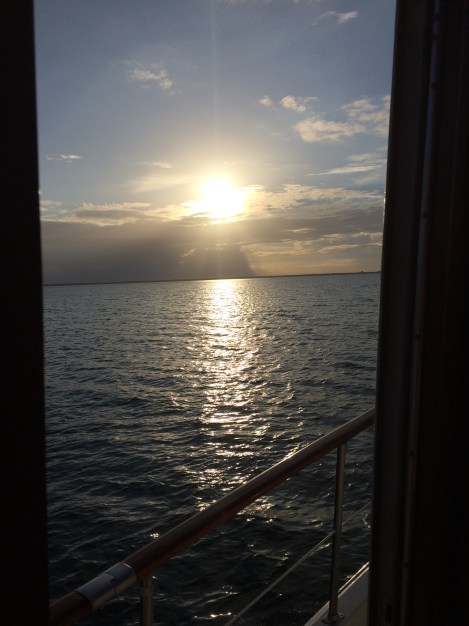
This is a beautiful area of the Florida east coast ICW
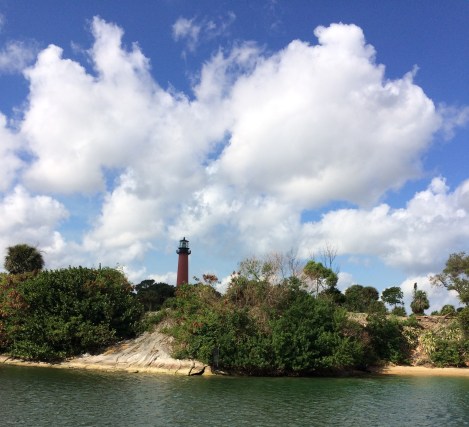
Jupiter Inlet Lighthouse on the Loxahatchee River
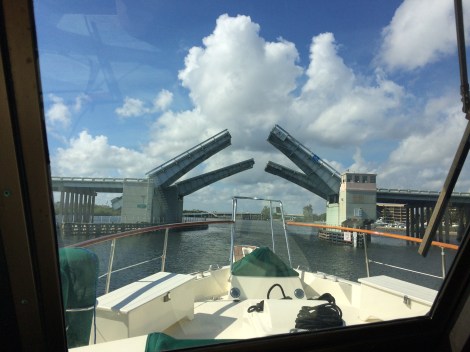
Waiting on a bridge to open
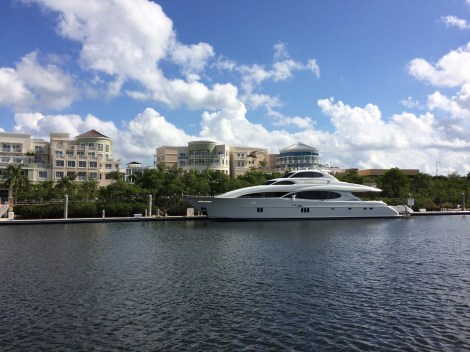
Starting to see some big girls along the ICW. For size, notice the guy cleaning windows mid-ship
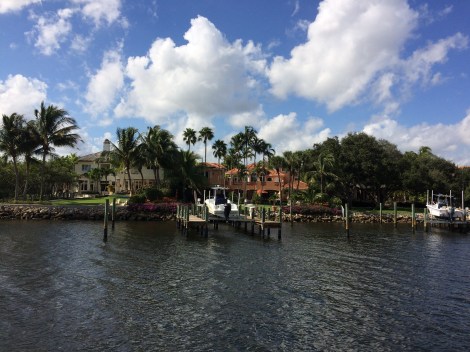
More houses for Steve :p
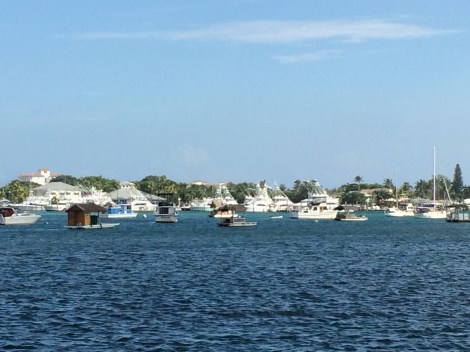
Party barges anchored near Peanut Island
From VISITFLORIDA.com: Peanut Island – was created in 1918 with material dredged to create the Lake Worth/Palm Beach Inlet. Plans to use it for a peanut oil shipping operation failed in the 1940s, but the moniker stuck. Fifty years ago, during the lead-up to the Cuban Missile Crisis, this corrugated hole in the ground was designed as – and may have come close to being – a last resort in case of a nuclear attack.
“It’s the place where President John F. Kennedy would have run what remained of the free world,” said Anthony Miller of the Palm Beach Maritime Museum.
The Kennedy Bunker, as this relic fallout shelter is known, is forever associated with Cold War hysteria. Only months after its construction in 1961, the world appeared to be on a precipice.

The entrance to John F. Kennedy bunker on Peanut Island. Peter W. Cross for VISIT FLORIDA
Peanut Island Then
Fidel Castro had seized and held power in Cuba. The Bay of Pigs invasion had failed, as had other clandestine CIA efforts to topple the communist regime. The Soviets resented and feared American nukes based in the United Kingdom and Turkey – and presumably aimed at them.
Tensions and brinksmanship came to an international head in October 1962, when Kennedy confronted the Russians with photographic evidence shot from spy planes of secret missile bases in Cuba.
Those Soviet missiles in Cuba could easily have reached Washington, D.C., New York, and most other major U.S. cities – and Palm Beach and the Kennedy family home, to which the president frequently retreated.
Eventually, of course, Kennedy and Soviet Premier Nikita Khrushchev reached a deal, the missiles were removed from Cuba and a détente was achieved. VISITFORIDA.com
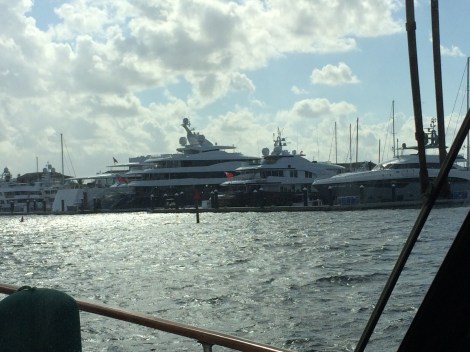
More BIG gals
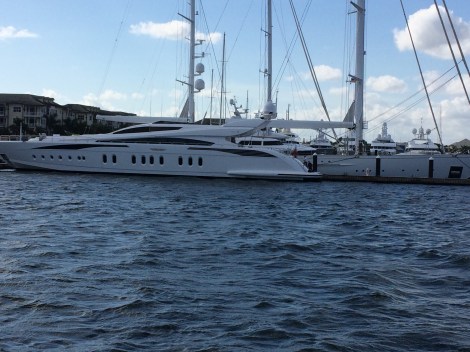
Sleek! For size, notice the people on the swim platform
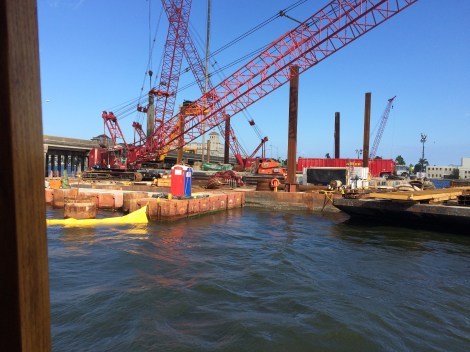
Long-term construction on the Flagler Memorial Bridge, currently a 17 foot clearance bascule bridge only opening once an hour on the 1/4 hour and will someday be a 65 foot fixed bridge. Yay!

Arriving at Loggerhead Club & Marina
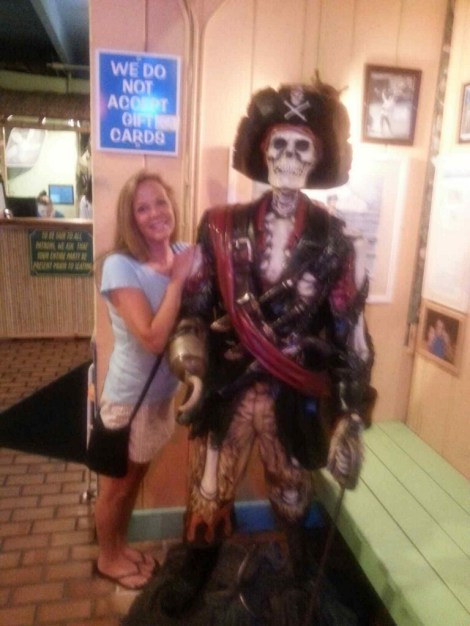
Out to dinner. Captain Steve, you have a new look!
 mv/whocares